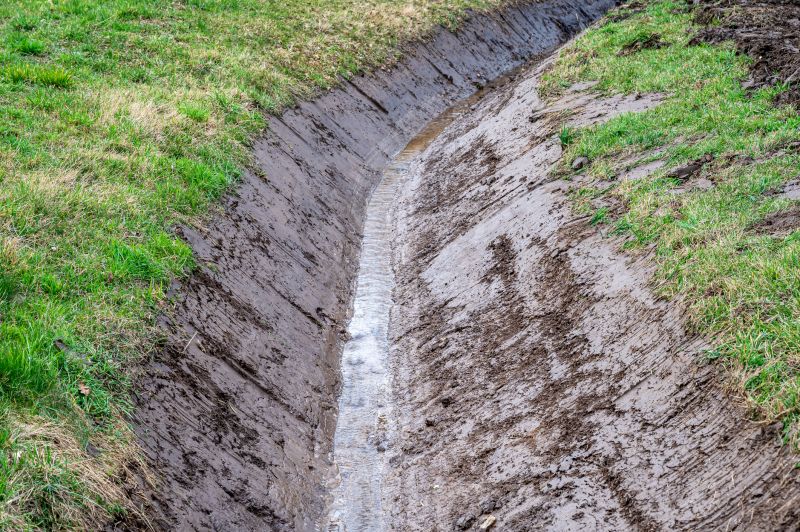
Ditch Digging in Salt Lake City, UT
Ditch digging services involve excavating trenches or holes in the ground to support various property projects. This service is commonly used for installing underground utilities such as water lines, sewer systems, electrical conduits, or sprinkler systems. It can also be essential for preparing foundations for fences, retaining walls, or landscaping features. Property owners typically want to understand the scope of the excavation, the depth and width of the trenches, and any potential disruptions or preparations needed before the work begins.
Before requesting ditch digging, homeowners should consider the location of existing underground utilities, property boundaries, and local regulations that may impact excavation projects. It is also helpful to clarify the purpose of the trench or hole, the timeline for completion, and any access or safety concerns. Proper planning ensures the project proceeds smoothly and reduces the risk of accidental damage or delays during excavation.
Many property owners in Salt Lake City, UT look into Ditch Digging for repairs, replacements, upgrades, and appearance-related improvements.
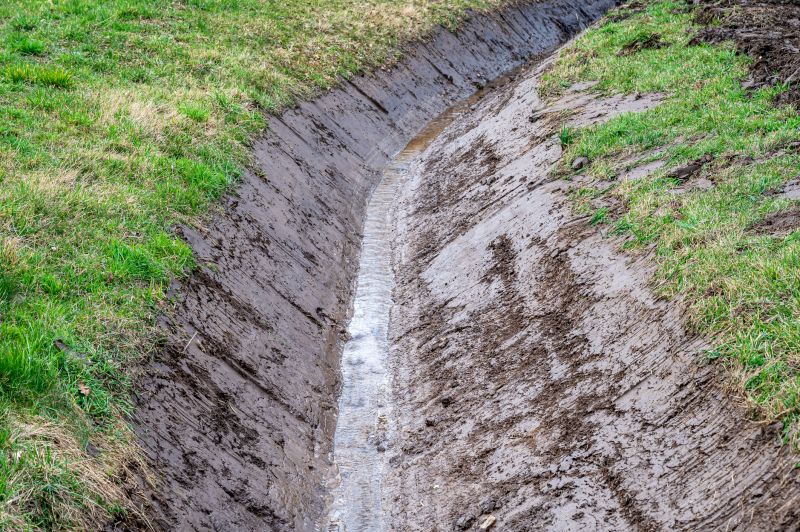
Residential Ditch Digging
Preparing yards for landscaping, irrigation, or fencing projects in salt lake city, ut.
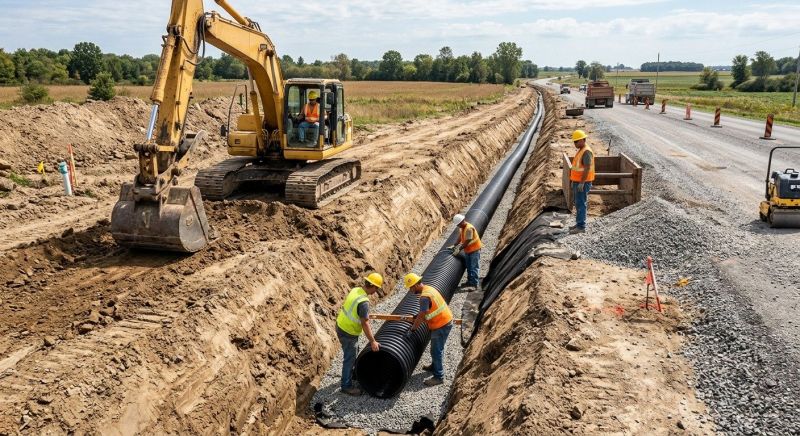
Utility Line Installation
Creating trenches for water, sewer, or electrical lines to ensure proper utility connections.
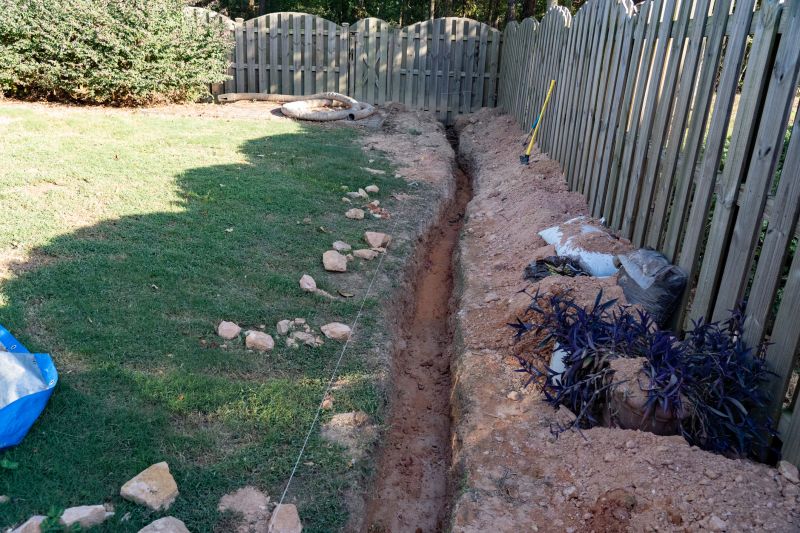
Drainage And Erosion Control
Designing and excavating ditches to manage water flow and prevent soil erosion on residential properties.
Ditch Digging in Salt Lake City, UT

Ditch digging services involve excavating trenches or holes in the ground to support various property projects. This service is commonly used for installing underground utilities such as water lines, sewer systems, electrical conduits, or sprinkler systems. It can also be essential for preparing foundations for fences, retaining walls, or landscaping features. Property owners typically want to understand the scope of the excavation, the depth and width of the trenches, and any potential disruptions or preparations needed before the work begins.
Before requesting ditch digging, homeowners should consider the location of existing underground utilities, property boundaries, and local regulations that may impact excavation projects. It is also helpful to clarify the purpose of the trench or hole, the timeline for completion, and any access or safety concerns. Proper planning ensures the project proceeds smoothly and reduces the risk of accidental damage or delays during excavation.
Many property owners in Salt Lake City, UT look into Ditch Digging for repairs, replacements, upgrades, and appearance-related improvements.
Common Ditch Digging Jobs
Drainage Installation - excavation for proper water flow and stormwater management.
Utility Line Installation - creating trenches for water, sewer, or electrical lines.
Landscape Drainage Solutions - installing drains to prevent pooling and soil erosion.
Foundation Drainage - excavating around foundations to reduce water pressure.
Irrigation System Trenches - digging pathways for sprinkler and irrigation pipes.
Yard Renovation - removing old soil or debris to prepare for landscaping projects.
Ditch Digging Questions
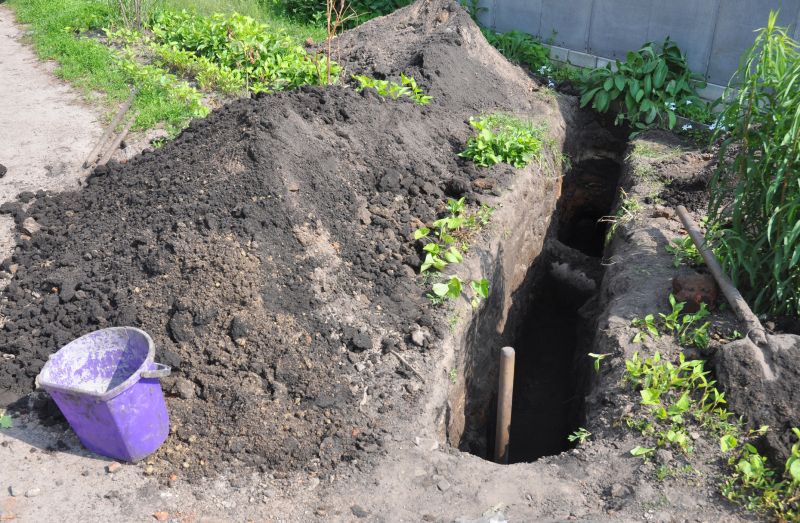
What is ditch digging used for? Ditch digging is often used for installing drainage systems, utility lines, or irrigation channels on residential properties.
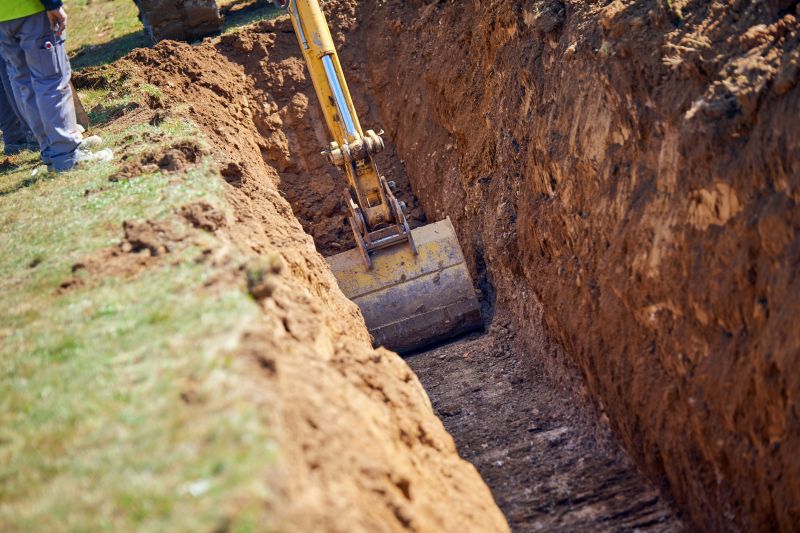
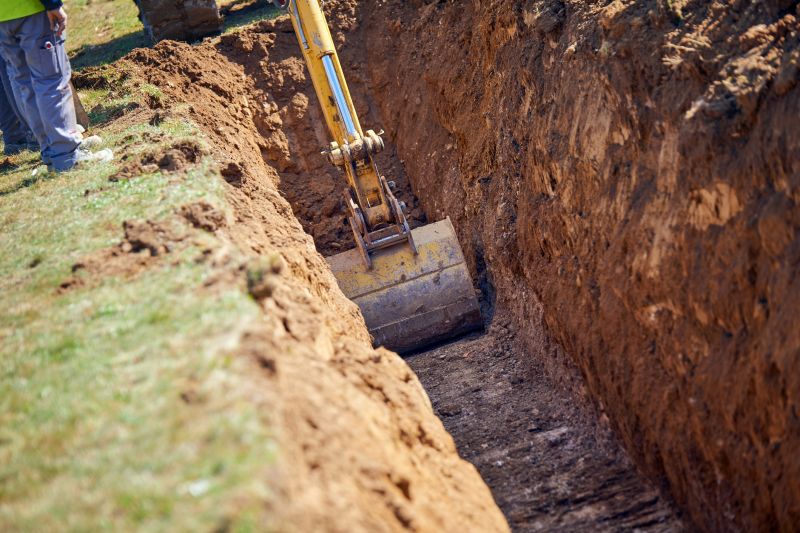
What tools are typically used for ditch digging? Heavy equipment like excavators or trenchers are commonly used to efficiently dig ditches for various projects.
Are there different types of ditches? Yes, ditches can vary in depth, width, and purpose, such as drainage ditches, utility trenches, or irrigation channels.
What should property owners consider before a ditch digging project? It's important to understand local regulations, underground utility locations, and the purpose of the ditch to ensure proper planning.
Request Ditch Digging in Salt Lake City, UT
Use the quote form on this page to share the basics of your project and request more information for the type of work you need.